Jnana Therapeutics Announces Appointment of Joanne Kotz, Ph.D. as Chief Executive Officer

On November 6, 2018 Jnana Therapeutics reported that Joanne Kotz, Ph.D., a company co-founder, has been named Chief Executive Officer (Press release, Jnana Therapeutics, NOV 6, 2018, View Source [SID1234530929]). Dr. Kotz has served as Jnana’s president since December 2017.

Schedule your 30 min Free 1stOncology Demo!
Discover why more than 1,500 members use 1stOncology™ to excel in:

Early/Late Stage Pipeline Development - Target Scouting - Clinical Biomarkers - Indication Selection & Expansion - BD&L Contacts - Conference Reports - Combinatorial Drug Settings - Companion Diagnostics - Drug Repositioning - First-in-class Analysis - Competitive Analysis - Deals & Licensing

                  Schedule Your 30 min Free Demo!

"Joanne has demonstrated exceptional leadership in guiding the company through its early stages of growth, and we believe she is the ideal person to bring Jnana through its next phase and execute on the company’s vision to unlock SLC transporters as a therapeutic class," said Dr. Amir Nashat, a member of Jnana’s Board of Directors and a managing partner at Polaris Partners. Dr. Nashat also served previously as the company’s interim Chief Executive Officer. "She has built a talented team and a collaborative, empowering culture, while also leading important work to validate Jnana’s proprietary drug discovery platform. Together these position Jnana for even greater success going forward."

Dr. Kotz has broad life sciences experience in research, business, and operations. She helped formulate the initial scientific strategy for Jnana and has led the business and operations of the company since its launch in January 2017. Prior to founding Jnana, she held a leadership position in the F-Prime Biomedical Research Initiative, whose mission is to advance the discovery of novel therapeutic agents for the treatment of neurodegenerative disease by funding early-stage research in academia and biotech companies. Prior to F-Prime, Dr. Kotz was a director at the Broad Institute, where she played a leadership role in creating and guiding partnerships to advance drug discovery efforts, including the Broad-Bayer collaboration in oncology that resulted in the identification of multiple drug candidates. She received a Ph.D. in chemistry from the University of California, Berkeley and conducted postdoctoral research at the Necker Children’s Hospital in Paris and at Genentech.

"I am very proud of what the Jnana team has accomplished to date," said Dr. Kotz. "We have made significant progress in advancing our technology platform, which is the first to explicitly target the SLC family of metabolite transporters, established a strategic collaboration with Neurocrine Biosciences to discover new medicines for central nervous system disorders, and recruited a strong team committed to making a positive impact on patients and their families. I am honored to have been chosen to serve as CEO, and look forward to guiding Jnana’s efforts to transform our knowledge of SLCs into new therapeutics for patients lacking viable treatment options."

Bio-Europe is a Who’s Who of Cancer Companies and Technologies

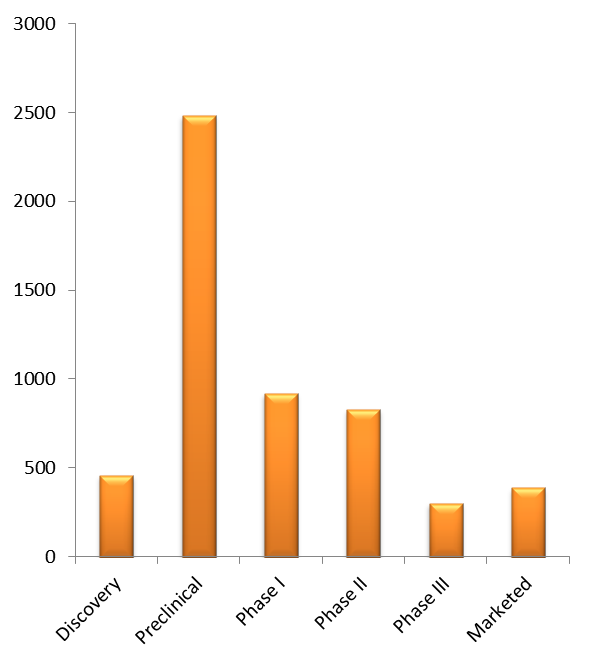
With a pedigree stretching back almost a quarter of a century, BIO-Europe is not only Europe’s largest partnering conference but, according to a recent analysis by 1stOncology™ (also covering BIO International and BIO Asia), it is also one of the world’s richest displays of cancer drug development companies under one roof! With over 600 oncology companies from more than thirty different countries present at BIO-Europe 2018, this is truly a global event. Many of these have also just presented their latest scientific/clinical advancements at the freshly completed European Society of Medical Oncology (ESMO) (Free ESMO Whitepaper) (ESMO 2018) congress. Now coming together at the BIO-Europe 2018 meeting they represent more than 5,500 cancer drugs, from discovery to marketed, and are responsible for more than 40% of the world’s current output in cancer R&D, see pipeline breakdown below.

These new cancer drug technologies are being developed from a wide array of organizations, from centuries old universities such as Jagiellonian University (Poland) founded in 1364, to startup companies like Cedilla Therapeutics (USA) and Epigene Therapeutics (Canada), both founded in 2018. Regardless of age they are all coming together at BIO-Europe 2018 to engage with global life science partners.

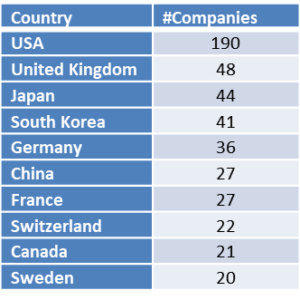
The global nature of this meeting is revealed when looking at the top nations with cancer drug developing companies present at this year BIO-Europe. It is no surprise to see the United States in first place with 190 companies, UK in second with 48 and Japan is in third place with 41 companies. Please see below table for the top ten nations at BIO-Europe 2018.

In today’s fast moving climate where a company can go from an idea to a public company in a blink of an eye, roughly one third of the 600 cancer companies are publicly traded at various stock exchange markets around the world. No less than seven of these have gone through their initial public offering in 2018 alone, namely ARMO BioSciences, ASLAN Pharmaceuticals, Autolus, BeiGene, Forty Seven, MorphoSys and Sutro Biopharma.

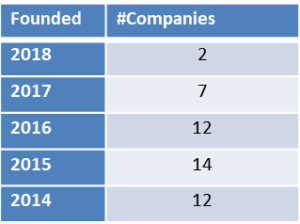
The number of cancer startups, founded in the last five years, present at the BIO-Europe meetings amount to almost fifty, see table below for breakdown per year.

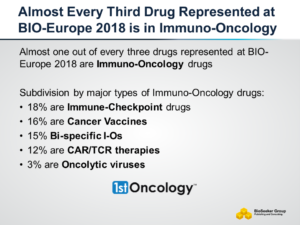
The sizeable cancer pipeline of more than five and a half thousand drugs represented at BIO-Europe is a based on a very diverse selection of technologies and discoveries in cancer biology. Almost one third of these are Immune-Oncology (I-O) drugs including Immune Checkpoint drugs, Cancer vaccines, Bispecific immunomodulators, CAR/TCR therapies and Oncolytic virotherapies, see breakdown by type of I-O drugs below.

In the spotlight of this year’s Nobel Prize in Physiology or Medicine, companies at BIO-Europe feature nearly 300 different immune checkpoint drugs. Other hot progress areas in cancer therapeutics include DNA Damage Response (DDR) drugs, epigenetic therapies, Protein Kinase Inhibitors (PKIs) and Antibody-Dug Conjugates (ADCs).

Schedule your 30 min Free 1stOncology Demo!
Discover why more than 1,500 members use 1stOncology™ to excel in:

Early/Late Stage Pipeline Development - Target Scouting - Clinical Biomarkers - Indication Selection & Expansion - BD&L Contacts - Conference Reports - Combinatorial Drug Settings - Companion Diagnostics - Drug Repositioning - First-in-class Analysis - Competitive Analysis - Deals & Licensing

                  Schedule Your 30 min Free Demo!

Bristol-Myers Squibb and Infinity Pharmaceuticals Announce a New Clinical Collaboration to Evaluate Opdivo (Nivolumab) in Combination with IPI-549 in Urothelial Cancer

On November 5, 2018 Bristol-Myers Squibb Company (NYSE: BMY) and Infinity Pharmaceuticals, Inc. (NASDAQ: INFI) reported a clinical trial collaboration to evaluate Bristol-Myers Squibb’s Opdivo in combination with Infinity’s IPI-549 in patients with advanced urothelial cancer (Press release, Bristol-Myers Squibb, NOV 5, 2018, View Source [SID1234530709]). IPI-549 is an oral immuno-oncology development candidate that is designed to selectively inhibit phosphoinositide-3-kinase (PI3K)-gamma and is the only investigational PI3K-gamma inhibitor in clinical development.

Schedule your 30 min Free 1stOncology Demo!
Discover why more than 1,500 members use 1stOncology™ to excel in:

Early/Late Stage Pipeline Development - Target Scouting - Clinical Biomarkers - Indication Selection & Expansion - BD&L Contacts - Conference Reports - Combinatorial Drug Settings - Companion Diagnostics - Drug Repositioning - First-in-class Analysis - Competitive Analysis - Deals & Licensing

                  Schedule Your 30 min Free Demo!

Infinity will operationalize MARIO-275: MAcrophage Reprogramming in Immuno-Oncology, a global, randomized Phase 2 study to evaluate the effect of adding IPI-549 to Opdivo in checkpoint-naïve advanced urothelial cancer patients who have progressed or recurred following treatment with platinum-based chemotherapy. Approximately 150 patients will be randomized between combination therapy and Opdivo monotherapy. The primary endpoint of the trial will be overall response rate, which will be assessed in the overall population as well as in subsets of patients with different baseline levels of myeloid derived suppressor cells (MDSCs). Opdivo is approved for use by the FDA as a single agent in patients with locally advanced or metastatic urothelial cancer who have progressed or recurred following treatment with platinum-based chemotherapy or who have disease progression within 12 months of neoadjuvant or adjuvant treatment with platinum-containing chemotherapy. In exploratory analyses of the CheckMate -275 data, high levels of MDSCs were associated with shorter overall survival in patients treated with Opdivo 2. In Infinity’s MARIO-1 trial, MDSCs were reduced in the majority of patients treated with IPI-549 monotherapy.3 IPI-549 in combination with Opdivo has been administered to over 80 patients and demonstrated early evidence of clinical activity with translational studies demonstrating evidence of on-mechanism IPI-549-mediated effects.4

"The expansion of our relationship with Infinity underscores our efforts to follow the science and support potential novel combination therapies in immuno-oncology for cancer patients with limited treatment options," said Fouad Namouni, M.D., head of Oncology Development, Bristol-Myers Squibb. "Our goal is to determine whether targeting the tumor microenvironment with IPI-549 will enhance the activity of Opdivo for people with urothelial cancer and potentially in other tumor types where MDSCs suppress the immune response."

"We are excited to advance the development of IPI-549 further into the checkpoint inhibitor treatment-naïve setting with this randomized study in collaboration with the team at Bristol-Myers Squibb.," said Dr. Sam Agresta, Chief Medical Officer of Infinity. "There continues to be a significant unmet need for additional treatment options for people living with urothelial cancer, and we are excited to evaluate the potential of this combination."

Infinity is continuing to evaluate IPI-549 in combination with Opdivo in MARIO-1, a Phase 1/1b study in patients with advanced solid tumors.

Opdivo was the first PD-1 immune checkpoint inhibitor to receive regulatory approval anywhere in the world in July 2014, and currently has regulatory approval in 54 countries including the United States, Japan, and in the European Union.

About Opdivo

Opdivo is a programmed death-1 (PD-1) immune checkpoint inhibitor that is designed to uniquely harness the body’s own immune system to help restore anti-tumor immune response. By harnessing the body’s own immune system to fight cancer, Opdivo has become an important treatment option across multiple cancers.

Opdivo’s leading global development program is based on Bristol-Myers Squibb’s scientific expertise in the field of Immuno-Oncology and includes a broad range of clinical trials across all phases, including Phase 3, in a variety of tumor types. To date, the Opdivo clinical development program has enrolled more than 25,000 patients. The Opdivo trials have contributed to gaining a deeper understanding of the potential role of biomarkers in patient care, particularly regarding how patients may benefit from Opdivo across the continuum of PD-L1 expression.

In July 2014, Opdivo was the first PD-1 immune checkpoint inhibitor to receive regulatory approval anywhere in the world. Opdivo is currently approved in more than 60 countries, including the United States, the European Union, and Japan. In October 2015, the company’s Opdivo and Yervoy combination regimen was the first Immuno-Oncology combination to receive regulatory approval for the treatment of metastatic melanoma and is currently approved in more than 50 countries, including the United States and the European Union.

U.S. FDA-APPROVED INDICATIONS FOR OPDIVO

OPDIVO (nivolumab) as a single agent is indicated for the treatment of patients with BRAF V600 mutation-positive unresectable or metastatic melanoma. This indication is approved under accelerated approval based on progression-free survival. Continued approval for this indication may be contingent upon verification and description of clinical benefit in the confirmatory trials.

OPDIVO (nivolumab) as a single agent is indicated for the treatment of patients with BRAF V600 wild-type unresectable or metastatic melanoma.

OPDIVO (nivolumab), in combination with YERVOY (ipilimumab), is indicated for the treatment of patients with unresectable or metastatic melanoma. This indication is approved under accelerated approval based on progression-free survival. Continued approval for this indication may be contingent upon verification and description of clinical benefit in the confirmatory trials.

OPDIVO (nivolumab) is indicated for the treatment of patients with metastatic non-small cell lung cancer (NSCLC) with progression on or after platinum-based chemotherapy. Patients with EGFR or ALK genomic tumor aberrations should have disease progression on FDA-approved therapy for these aberrations prior to receiving OPDIVO.

OPDIVO (nivolumab) is indicated for the treatment of patients with advanced renal cell carcinoma (RCC) who have received prior anti-angiogenic therapy.

OPDIVO (nivolumab), in combination with YERVOY (ipilimumab), is indicated for the treatment of patients with intermediate or poor-risk, previously untreated advanced renal cell carcinoma (RCC).

OPDIVO (nivolumab) is indicated for the treatment of adult patients with classical Hodgkin lymphoma (cHL) that has relapsed or progressed after autologous hematopoietic stem cell transplantation (HSCT) and brentuximab vedotin or after 3 or more lines of systemic therapy that includes autologous HSCT. This indication is approved under accelerated approval based on overall response rate. Continued approval for this indication may be contingent upon verification and description of clinical benefit in confirmatory trials.

OPDIVO (nivolumab) is indicated for the treatment of patients with recurrent or metastatic squamous cell carcinoma of the head and neck (SCCHN) with disease progression on or after platinum-based therapy.

OPDIVO (nivolumab) is indicated for the treatment of patients with locally advanced or metastatic urothelial carcinoma who have disease progression during or following platinum-containing chemotherapy or have disease progression within 12 months of neoadjuvant or adjuvant treatment with platinum-containing chemotherapy. This indication is approved under accelerated approval based on tumor response rate and duration of response. Continued approval for this indication may be contingent upon verification and description of clinical benefit in confirmatory trials.

OPDIVO (nivolumab) is indicated for the treatment of adult and pediatric (12 years and older) patients with microsatellite instability high (MSI-H) or mismatch repair deficient (dMMR) metastatic colorectal cancer (CRC) that has progressed following treatment with a fluoropyrimidine, oxaliplatin, and irinotecan. This indication is approved under accelerated approval based on overall response rate and duration of response. Continued approval for this indication may be contingent upon verification and description of clinical benefit in confirmatory trials.

OPDIVO (nivolumab) is indicated for the treatment of patients with hepatocellular carcinoma (HCC) who have been previously treated with sorafenib. This indication is approved under accelerated approval based on tumor response rate and durability of response. Continued approval for this indication may be contingent upon verification and description of clinical benefit in the confirmatory trials.

OPDIVO (nivolumab) is indicated for the adjuvant treatment of patients with melanoma with involvement of lymph nodes or metastatic disease who have undergone complete resection.

IMPORTANT SAFETY INFORMATION

Immune-Mediated Pneumonitis

OPDIVO can cause immune-mediated pneumonitis. Fatal cases have been reported. Monitor patients for signs with radiographic imaging and for symptoms of pneumonitis. Administer corticosteroids for Grade 2 or more severe pneumonitis. Permanently discontinue for Grade 3 or 4 and withhold until resolution for Grade 2. In patients receiving OPDIVO monotherapy, fatal cases of immune-mediated pneumonitis have occurred. Immune-mediated pneumonitis occurred in 3.1% (61/1994) of patients.

In Checkmate 205 and 039, pneumonitis, including interstitial lung disease, occurred in 6.0% (16/266) of patients receiving OPDIVO. Immune-mediated pneumonitis occurred in 4.9% (13/266) of patients receiving OPDIVO: Grade 3 (n=1) and Grade 2 (n=12).

Immune-Mediated Colitis

OPDIVO can cause immune-mediated colitis. Monitor patients for signs and symptoms of colitis. Administer corticosteroids for Grade 2 (of more than 5 days duration), 3, or 4 colitis. Withhold OPDIVO monotherapy for Grade 2 or 3 and permanently discontinue for Grade 4 or recurrent colitis upon re-initiation of OPDIVO. In patients receiving OPDIVO monotherapy, immune-mediated colitis occurred in 2.9% (58/1994) of patients.

Immune-Mediated Hepatitis

OPDIVO can cause immune-mediated hepatitis. Monitor patients for abnormal liver tests prior to and periodically during treatment. Administer corticosteroids for Grade 2 or greater transaminase elevations. For patients without HCC, withhold OPDIVO for Grade 2 and permanently discontinue OPDIVO for Grade 3 or 4. For patients with HCC, withhold OPDIVO and administer corticosteroids if AST/ALT is within normal limits at baseline and increases to >3 and up to 5 times the upper limit of normal (ULN), if AST/ALT is >1 and up to 3 times ULN at baseline and increases to >5 and up to 10 times the ULN, and if AST/ALT is >3 and up to 5 times ULN at baseline and increases to >8 and up to 10 times the ULN. Permanently discontinue OPDIVO and administer corticosteroids if AST or ALT increases to >10 times the ULN or total bilirubin increases >3 times the ULN. In patients receiving OPDIVO monotherapy, immune-mediated hepatitis occurred in 1.8% (35/1994) of patients.

In Checkmate 040, immune-mediated hepatitis requiring systemic corticosteroids occurred in 5% (8/154) of patients receiving OPDIVO.

Immune-Mediated Endocrinopathies

OPDIVO can cause immune-mediated hypophysitis, immune-mediated adrenal insufficiency, autoimmune thyroid disorders, and Type 1 diabetes mellitus. Monitor patients for signs and symptoms of hypophysitis, signs and symptoms of adrenal insufficiency, thyroid function prior to and periodically during treatment, and hyperglycemia. Administer hormone replacement as clinically indicated and corticosteroids for Grade 2 or greater hypophysitis. Withhold for Grade 2 or 3 and permanently discontinue for Grade 4 hypophysitis. Administer corticosteroids for Grade 3 or 4 adrenal insufficiency. Withhold for Grade 2 and permanently discontinue for Grade 3 or 4 adrenal insufficiency. Administer hormone-replacement therapy for hypothyroidism. Initiate medical management for control of hyperthyroidism. Withhold OPDIVO for Grade 3 and permanently discontinue for Grade 4 hyperglycemia.

In patients receiving OPDIVO monotherapy, hypophysitis occurred in 0.6% (12/1994) of patients. In patients receiving OPDIVO monotherapy, adrenal insufficiency occurred in 1% (20/1994) of patients. In patients receiving OPDIVO monotherapy, hypothyroidism or thyroiditis resulting in hypothyroidism occurred in 9% (171/1994) of patients. Hyperthyroidism occurred in 2.7% (54/1994) of patients receiving OPDIVO monotherapy. In patients receiving OPDIVO monotherapy, diabetes occurred in 0.9% (17/1994) of patients.

Immune-Mediated Nephritis and Renal Dysfunction

OPDIVO can cause immune-mediated nephritis. Monitor patients for elevated serum creatinine prior to and periodically during treatment. Administer corticosteroids for Grades 2-4 increased serum creatinine. Withhold OPDIVO for Grade 2 or 3 and permanently discontinue for Grade 4 increased serum creatinine. In patients receiving OPDIVO monotherapy, immune-mediated nephritis and renal dysfunction occurred in 1.2% (23/1994) of patients.

Immune-Mediated Skin Adverse Reactions

OPDIVO can cause immune-mediated rash, including Stevens-Johnson syndrome (SJS) and toxic epidermal necrolysis (TEN), some cases with fatal outcome. Administer corticosteroids for Grade 3 or 4 rash. Withhold for Grade 3 and permanently discontinue for Grade 4 rash. For symptoms or signs of SJS or TEN, withhold OPDIVO and refer the patient for specialized care for assessment and treatment; if confirmed, permanently discontinue. In patients receiving OPDIVO monotherapy, immune-mediated rash occurred in 9% (171/1994) of patients.

Immune-Mediated Encephalitis

OPDIVO can cause immune-mediated encephalitis. Evaluation of patients with neurologic symptoms may include, but not be limited to, consultation with a neurologist, brain MRI, and lumbar puncture. Withhold OPDIVO in patients with new-onset moderate to severe neurologic signs or symptoms and evaluate to rule out other causes. If other etiologies are ruled out, administer corticosteroids and permanently discontinue OPDIVO for immune-mediated encephalitis. In patients receiving OPDIVO monotherapy, encephalitis occurred in 0.2% (3/1994) of patients. Fatal limbic encephalitis occurred in one patient after 7.2 months of exposure despite discontinuation of OPDIVO and administration of corticosteroids.

Other Immune-Mediated Adverse Reactions

Based on the severity of the adverse reaction, permanently discontinue or withhold OPDIVO, administer high-dose corticosteroids, and, if appropriate, initiate hormone-replacement therapy. Across clinical trials of OPDIVO, the following clinically significant immune-mediated adverse reactions, some with fatal outcome, occurred in <1.0% of patients receiving OPDIVO: myocarditis, rhabdomyolysis, myositis, uveitis, iritis, pancreatitis, facial and abducens nerve paresis, demyelination, polymyalgia rheumatica, autoimmune neuropathy, GuillainBarré syndrome, hypopituitarism, systemic inflammatory response syndrome, gastritis, duodenitis, sarcoidosis, histiocytic necrotizing lymphadenitis (Kikuchi lymphadenitis), motor dysfunction, vasculitis, aplastic anemia, pericarditis, and myasthenic syndrome.

If uveitis occurs in combination with other immune-mediated adverse reactions, consider a Vogt-Koyanagi-Harada-like syndrome, which has been observed in patients receiving OPDIVO and may require treatment with systemic steroids to reduce the risk of permanent vision loss.

Infusion Reactions

OPDIVO can cause severe infusion reactions, which have been reported in <1.0% of patients in clinical trials. Discontinue OPDIVO in patients with Grade 3 or 4 infusion reactions. Interrupt or slow the rate of infusion in patients with Grade 1 or 2. In patients receiving OPDIVO monotherapy as a 60-minute infusion, infusion-related reactions occurred in 6.4% (127/1994) of patients. In a separate study in which patients received OPDIVO monotherapy as a 60-minute infusion or a 30-minute infusion, infusion-related reactions occurred in 2.2% (8/368) and 2.7% (10/369) of patients, respectively. Additionally, 0.5% (2/368) and 1.4% (5/369) of patients, respectively, experienced adverse reactions within 48 hours of infusion that led to dose delay, permanent discontinuation or withholding of OPDIVO.

Complications of Allogeneic HSCT after OPDIVO

Complications, including fatal events, occurred in patients who received allogeneic HSCT after OPDIVO. Outcomes were evaluated in 17 patients from Checkmate 205 and 039, who underwent allogeneic HSCT after discontinuing OPDIVO (15 with reduced-intensity conditioning, 2 with myeloablative conditioning). Thirty-five percent (6/17) of patients died from complications of allogeneic HSCT after OPDIVO. Five deaths occurred in the setting of severe or refractory GVHD. Grade 3 or higher acute GVHD was reported in 29% (5/17) of patients. Hyperacute GVHD was reported in 20% (n=2) of patients. A steroid-requiring febrile syndrome, without an identified infectious cause, was reported in 35% (n=6) of patients. Two cases of encephalitis were reported: Grade 3 (n=1) lymphocytic encephalitis without an identified infectious cause, and Grade 3 (n=1) suspected viral encephalitis. Hepatic veno-occlusive disease (VOD) occurred in one patient, who received reduced-intensity conditioned allogeneic HSCT and died of GVHD and multi-organ failure. Other cases of hepatic VOD after reduced-intensity conditioned allogeneic HSCT have also been reported in patients with lymphoma who received a PD-1 receptor blocking antibody before transplantation. Cases of fatal hyperacute GVHD have also been reported. These complications may occur despite intervening therapy between PD-1 blockade and allogeneic HSCT.

Follow patients closely for early evidence of transplant-related complications such as hyperacute GVHD, severe (Grade 3 to 4) acute GVHD, steroid-requiring febrile syndrome, hepatic VOD, and other immune-mediated adverse reactions, and intervene promptly.

Embryo-Fetal Toxicity

Based on its mechanism of action, OPDIVO can cause fetal harm when administered to a pregnant woman. Advise pregnant women of the potential risk to a fetus. Advise females of reproductive potential to use effective contraception during treatment with an OPDIVO-containing regimen and for at least 5 months after the last dose of OPDIVO.

Lactation

It is not known whether OPDIVO is present in human milk. Because many drugs, including antibodies, are excreted in human milk and because of the potential for serious adverse reactions in nursing infants from an OPDIVO-containing regimen, advise women to discontinue breastfeeding during treatment.

Serious Adverse Reactions

In Checkmate 037, serious adverse reactions occurred in 41% of patients receiving OPDIVO (n=268). Grade 3 and 4 adverse reactions occurred in 42% of patients receiving OPDIVO. The most frequent Grade 3 and 4 adverse drug reactions reported in 2% to <5% of patients receiving OPDIVO were abdominal pain, hyponatremia, increased aspartate aminotransferase, and increased lipase. In Checkmate 066, serious adverse reactions occurred in 36% of patients receiving OPDIVO (n=206). Grade 3 and 4 adverse reactions occurred in 41% of patients receiving OPDIVO. The most frequent Grade 3 and 4 adverse reactions reported in ≥2% of patients receiving OPDIVO were gamma-glutamyltransferase increase (3.9%) and diarrhea (3.4%). In Checkmate 017 and 057, serious adverse reactions occurred in 46% of patients receiving OPDIVO (n=418). The most frequent serious adverse reactions reported in ≥2% of patients receiving OPDIVO were pneumonia, pulmonary embolism, dyspnea, pyrexia, pleural effusion, pneumonitis, and respiratory failure. In Checkmate 032, serious adverse reactions occurred in 45% of patients receiving OPDIVO (n=245). The most frequent serious adverse reactions reported in at least 2% of patients receiving OPDIVO were pneumonia, dyspnea, pneumonitis, pleural effusion, and dehydration. In Checkmate 025, serious adverse reactions occurred in 47% of patients receiving OPDIVO (n=406). The most frequent serious adverse reactions reported in ≥2% of patients were acute kidney injury, pleural effusion, pneumonia, diarrhea, and hypercalcemia. In Checkmate 205 and 039, adverse reactions leading to discontinuation occurred in 7% and dose delays due to adverse reactions occurred in 34% of patients (n=266). Serious adverse reactions occurred in 26% of patients. The most frequent serious adverse reactions reported in ≥1% of patients were pneumonia, infusion-related reaction, pyrexia, colitis or diarrhea, pleural effusion, pneumonitis, and rash. Eleven patients died from causes other than disease progression: 3 from adverse reactions within 30 days of the last OPDIVO dose, 2 from infection 8 to 9 months after completing OPDIVO, and 6 from complications of allogeneic HSCT. In Checkmate 141, serious adverse reactions occurred in 49% of patients receiving OPDIVO (n=236). The most frequent serious adverse reactions reported in ≥2% of patients receiving OPDIVO were pneumonia, dyspnea, respiratory failure, respiratory tract infection, and sepsis. In Checkmate 275, serious adverse reactions occurred in 54% of patients receiving OPDIVO (n=270). The most frequent serious adverse reactions reported in ≥2% of patients receiving OPDIVO were urinary tract infection, sepsis, diarrhea, small intestine obstruction, and general physical health deterioration. In Checkmate 040, serious adverse reactions occurred in 49% of patients (n=154). The most frequent serious adverse reactions reported in ≥2% of patients were pyrexia, ascites, back pain, general physical health deterioration, abdominal pain, and pneumonia. In Checkmate 238, Grade 3 or 4 adverse reactions occurred in 25% of OPDIVO-treated patients (n=452). The most frequent Grade 3 and 4 adverse reactions reported in ≥2% of OPDIVO-treated patients were diarrhea and increased lipase and amylase. Serious adverse reactions occurred in 18% of OPDIVO-treated patients.

Common Adverse Reactions

In Checkmate 037, the most common adverse reaction (≥20%) reported with OPDIVO (n=268) was rash (21%). In Checkmate 066, the most common adverse reactions (≥20%) reported with OPDIVO (n=206) vs dacarbazine (n=205) were fatigue (49% vs 39%), musculoskeletal pain (32% vs 25%), rash (28% vs 12%), and pruritus (23% vs 12%). In Checkmate 017 and 057, the most common adverse reactions (≥20%) in patients receiving OPDIVO (n=418) were fatigue, musculoskeletal pain, cough, dyspnea, and decreased appetite. In Checkmate 032, the most common adverse reactions (≥20%) in patients receiving OPDIVO (n=245) were fatigue (45%), decreased appetite (27%), musculoskeletal pain (25%), dyspnea (22%), nausea (22%), diarrhea (21%), constipation (20%), and cough (20%). In Checkmate 025, the most common adverse reactions (≥20%) reported in patients receiving OPDIVO (n=406) vs everolimus (n=397) were fatigue (56% vs 57%), cough (34% vs 38%), nausea (28% vs 29%), rash (28% vs 36%), dyspnea (27% vs 31%), diarrhea (25% vs 32%), constipation (23% vs 18%), decreased appetite (23% vs 30%), back pain (21% vs 16%), and arthralgia (20% vs 14%). In Checkmate 205 and 039, the most common adverse reactions (≥20%) reported in patients receiving OPDIVO (n=266) were upper respiratory tract infection (44%), fatigue (39%), cough (36%), diarrhea (33%), pyrexia (29%), musculoskeletal pain (26%), rash (24%), nausea (20%), and pruritus (20%). In Checkmate 141, the most common adverse reactions (≥10%) in patients receiving OPDIVO (n=236) were cough and dyspnea at a higher incidence than investigator’s choice. In Checkmate 275, the most common adverse reactions (≥20%) reported in patients receiving OPDIVO (n=270) were fatigue (46%), musculoskeletal pain (30%), nausea (22%), and decreased appetite (22%). In Checkmate 142 in MSI-H/dMMR mCRC patients receiving OPDIVO as a single agent, the most common adverse reactions (≥20%) were fatigue (54%), diarrhea (43%), abdominal pain (34%), nausea (34%), vomiting (28%), musculoskeletal pain (28%), cough (26%), pyrexia (24%), rash (23%), constipation (20%), and upper respiratory tract infection (20%). In Checkmate 040, the most common adverse reactions (≥20%) in patients receiving OPDIVO (n=154) were fatigue (38%), musculoskeletal pain (36%), abdominal pain (34%), pruritus (27%), diarrhea (27%), rash (26%), cough (23%), and decreased appetite (22%). In Checkmate 238, the most common adverse reactions (≥20%) reported in OPDIVO-treated patients (n=452) vs ipilimumab-treated patients (n=453) were fatigue (57% vs 55%), diarrhea (37% vs 55%), rash (35% vs 47%), musculoskeletal pain (32% vs 27%), pruritus (28% vs 37%), headache (23% vs 31%), nausea (23% vs 28%), upper respiratory infection (22% vs 15%), and abdominal pain (21% vs 23%). The most common immune-mediated adverse reactions were rash (16%), diarrhea/colitis (6%), and hepatitis (3%).

Please see U.S. Full Prescribing Information for OPDIVO.

About IPI-549 and the Ongoing Phase 1/1b Study

IPI-549 is an investigational first-in-class, oral, immuno-oncology product candidate targeting tumor-associated myeloid cells through selective phosphoinositide-3-kinase-gamma (PI3K-gamma) inhibition, thereby reducing pro-tumor macrophage function and increasing anti-tumor macrophage function. In preclinical studies, IPI-549 demonstrated the ability to reprogram macrophages from a pro-tumor (M2), immune suppressive function, to an anti-tumor (M1) immune activating function and enhance the activity of, and overcome resistance to, checkpoint inhibitors.i ii As such, IPI-549 may have the potential to treat a broad range of solid tumors and represents a potentially additive or synergistic approach to restoring anti-tumor immunity in combination with other immunotherapies such as checkpoint inhibitors.

The ongoing Phase 1/1b study being conducted by Infinity is designed to evaluate the safety, tolerability, activity, pharmacokinetics and pharmacodynamics of IPI-549 as a monotherapy and in combination with nivolumab (Opdivo) in approximately 200 patients with advanced solid tumors.iii. The study includes monotherapy and combination dose-escalation components, in addition to monotherapy expansion and combination expansion components. The monotherapy dose-escalation and expansion components are complete. The combination dose-escalation component is also complete, and the combination expansion component is enrolling.

The combination expansion component of the study includes multiple cohorts designed to evaluate IPI-549 in patients with specific types of cancer, including patients with non-small cell lung cancer (NSCLC), melanoma and head and neck cancer whose tumors show initial resistance or initially respond to but subsequently develop resistance to immune checkpoint blockade therapy. The combination expansion component also includes a cohort of patients with triple negative breast cancer (TNBC) who have not been previously treated with immune checkpoint blockade therapy, a cohort of patients with mesothelioma, a cohort of patients with adrenocortical carcinoma and a cohort of patients with high baseline blood levels of MDSCs.

IPI-549 is an investigational compound and its safety and efficacy has not been evaluated by the U.S. Food and Drug Administration or any other health authority.

Bristol-Myers Squibb and Infinity Pharmaceuticals Announce a New Clinical Collaboration to Evaluate Opdivo (Nivolumab) in Combination with IPI-549 in Urothelial Cancer

On November 5, 2018 Bristol-Myers Squibb Company (NYSE: BMY) and Infinity Pharmaceuticals, Inc. (NASDAQ: INFI) reported a clinical trial collaboration to evaluate Bristol-Myers Squibb’sOpdivo (nivolumab) in combination with Infinity’s IPI-549 in patients with advanced urothelial cancer (Press release, Infinity Pharmaceuticals, NOV 5, 2018, View Source [SID1234530728]). IPI-549 is an oral immuno-oncology development candidate that is designed to selectively inhibit phosphoinositide-3-kinase (PI3K)-gamma and is the only investigational PI3K-gamma inhibitor in clinical development.

Schedule your 30 min Free 1stOncology Demo!
Discover why more than 1,500 members use 1stOncology™ to excel in:

Early/Late Stage Pipeline Development - Target Scouting - Clinical Biomarkers - Indication Selection & Expansion - BD&L Contacts - Conference Reports - Combinatorial Drug Settings - Companion Diagnostics - Drug Repositioning - First-in-class Analysis - Competitive Analysis - Deals & Licensing

                  Schedule Your 30 min Free Demo!

Infinity will operationalize MARIO-275: MAcrophage Reprogramming in Immuno-Oncology, a global, randomized Phase 2 study to evaluate the effect of adding IPI-549 to Opdivo in checkpoint-naïve advanced urothelial cancer patients who have progressed or recurred following treatment with platinum-based chemotherapy. Approximately 150 patients will be randomized between combination therapy and Opdivo monotherapy. The primary endpoint of the trial will be overall response rate, which will be assessed in the overall population as well as in subsets of patients with different baseline levels of myeloid derived suppressor cells (MDSCs). Opdivo is approved for use by the FDA as a single agent in patients with locally advanced or metastatic urothelial cancer who have progressed or recurred following treatment with platinum-based chemotherapy or who have disease progression within 12 months of neoadjuvant or adjuvant treatment with platinum-containing chemotherapy. In exploratory analyses of the CheckMate-275 data, high levels of MDSCs were associated with shorter overall survival in patients treated with Opdivo2. In Infinity’s MARIO-1 trial, MDSCs were reduced in the majority of patients treated with IPI-549 monotherapy.3 IPI-549 in combination with Opdivo has been administered to over 80 patients and demonstrated early evidence of clinical activity with translational studies demonstrating evidence of on-mechanism IPI-549-mediated effects.4

"The expansion of our relationship with Infinity underscores our efforts to follow the science and support potential novel combination therapies in immuno-oncology for cancer patients with limited treatment options," said Fouad Namouni, M.D., Head of Oncology Development, Bristol-Myers Squibb. "Our goal is to determine whether targeting the tumor microenvironment with IPI-549 will enhance the activity of Opdivo for people with urothelial cancer and potentially in other tumor types where MDSCs suppress the immune response."

"We are excited to advance the development of IPI-549 further into the checkpoint inhibitor treatment-naïve setting with this randomized study in collaboration with the team at Bristol-Myers Squibb," said Dr. Sam Agresta, Chief Medical Officer of Infinity. "There continues to be a significant unmet need for additional treatment options for people living with urothelial cancer, and we are excited to evaluate the potential of this combination."

Infinity is continuing to evaluate IPI-549 in combination with Opdivo in MARIO-1, a Phase 1/1b study in patients with advanced solid tumors.

Opdivo was the first PD-1 immune checkpoint inhibitor to receive regulatory approval anywhere in the world in July 2014, and currently has regulatory approval in 54 countries including the United States, Japan, and in the European Union.

About Opdivo
Opdivo is a programmed death-1 (PD-1) immune checkpoint inhibitor that is designed to uniquely harness the body’s own immune system to help restore anti-tumor immune response. By harnessing the body’s own immune system to fight cancer, Opdivo has become an important treatment option across multiple cancers.

Opdivo’s leading global development program is based on Bristol-Myers Squibb’s scientific expertise in the field of Immuno-Oncology and includes a broad range of clinical trials across all phases, including Phase 3, in a variety of tumor types. To date, the Opdivo clinical development program has enrolled more than 25,000 patients. The Opdivo trials have contributed to gaining a deeper understanding of the potential role of biomarkers in patient care, particularly regarding how patients may benefit from Opdivo across the continuum of PD-L1 expression.

In July 2014, Opdivo was the first PD-1 immune checkpoint inhibitor to receive regulatory approval anywhere in the world. Opdivo is currently approved in more than 60 countries, including the United States, the European Union, and Japan. In October 2015, the company’s Opdivo and Yervoy combination regimen was the first Immuno-Oncology combination to receive regulatory approval for the treatment of metastatic melanoma and is currently approved in more than 50 countries, including the United States and the European Union.

U.S. FDA-APPROVED INDICATIONS FOR OPDIVO

OPDIVO (nivolumab) as a single agent is indicated for the treatment of patients with BRAF V600 mutation-positive unresectable or metastatic melanoma. This indication is approved under accelerated approval based on progression-free survival. Continued approval for this indication may be contingent upon verification and description of clinical benefit in the confirmatory trials.

OPDIVO (nivolumab) as a single agent is indicated for the treatment of patients with BRAF V600 wild-type unresectable or metastatic melanoma.

OPDIVO (nivolumab), in combination with YERVOY (ipilimumab), is indicated for the treatment of patients with unresectable or metastatic melanoma. This indication is approved under accelerated approval based on progression-free survival. Continued approval for this indication may be contingent upon verification and description of clinical benefit in the confirmatory trials.

OPDIVO (nivolumab) is indicated for the treatment of patients with metastatic non‑small cell lung cancer (NSCLC) with progression on or after platinum-based chemotherapy. Patients with EGFR or ALK genomic tumor aberrations should have disease progression on FDA-approved therapy for these aberrations prior to receiving OPDIVO.

OPDIVO (nivolumab) is indicated for the treatment of patients with advanced renal cell carcinoma (RCC) who have received prior anti-angiogenic therapy.

OPDIVO (nivolumab), in combination with YERVOY (ipilimumab), is indicated for the treatment of patients with intermediate or poor-risk, previously untreated advanced renal cell carcinoma (RCC).

OPDIVO (nivolumab) is indicated for the treatment of adult patients with classical Hodgkin lymphoma (cHL) that has relapsed or progressed after autologous hematopoietic stem cell transplantation (HSCT) and brentuximab vedotin or after 3 or more lines of systemic therapy that includes autologous HSCT. This indication is approved under accelerated approval based on overall response rate. Continued approval for this indication may be contingent upon verification and description of clinical benefit in confirmatory trials.

OPDIVO (nivolumab) is indicated for the treatment of patients with recurrent or metastatic squamous cell carcinoma of the head and neck (SCCHN) with disease progression on or after platinum-based therapy.

OPDIVO (nivolumab) is indicated for the treatment of patients with locally advanced or metastatic urothelial carcinoma who have disease progression during or following platinum-containing chemotherapy or have disease progression within 12 months of neoadjuvant or adjuvant treatment with platinum-containing chemotherapy. This indication is approved under accelerated approval based on tumor response rate and duration of response. Continued approval for this indication may be contingent upon verification and description of clinical benefit in confirmatory trials.

OPDIVO (nivolumab) is indicated for the treatment of adult and pediatric (12 years and older) patients with microsatellite instability high (MSI-H) or mismatch repair deficient (dMMR) metastatic colorectal cancer (CRC) that has progressed following treatment with a fluoropyrimidine, oxaliplatin, and irinotecan. This indication is approved under accelerated approval based on overall response rate and duration of response. Continued approval for this indication may be contingent upon verification and description of clinical benefit in confirmatory trials.

OPDIVO (nivolumab) is indicated for the treatment of patients with hepatocellular carcinoma (HCC) who have been previously treated with sorafenib. This indication is approved under accelerated approval based on tumor response rate and durability of response. Continued approval for this indication may be contingent upon verification and description of clinical benefit in the confirmatory trials.

OPDIVO (nivolumab) is indicated for the adjuvant treatment of patients with melanoma with involvement of lymph nodes or metastatic disease who have undergone complete resection.

IMPORTANT SAFETY INFORMATION

Immune-Mediated Pneumonitis

OPDIVO can cause immune-mediated pneumonitis. Fatal cases have been reported. Monitor patients for signs with radiographic imaging and for symptoms of pneumonitis. Administer corticosteroids for Grade 2 or more severe pneumonitis. Permanently discontinue for Grade 3 or 4 and withhold until resolution for Grade 2. In patients receiving OPDIVO monotherapy, fatal cases of immune-mediated pneumonitis have occurred. Immune-mediated pneumonitis occurred in 3.1% (61/1994) of patients.

In Checkmate 205 and 039, pneumonitis, including interstitial lung disease, occurred in 6.0% (16/266) of patients receiving OPDIVO. Immune-mediated pneumonitis occurred in 4.9% (13/266) of patients receiving OPDIVO: Grade 3 (n=1) and Grade 2 (n=12).

Immune-Mediated Colitis

OPDIVO can cause immune-mediated colitis. Monitor patients for signs and symptoms of colitis. Administer corticosteroids for Grade 2 (of more than 5 days duration), 3, or 4 colitis. Withhold OPDIVO monotherapy for Grade 2 or 3 and permanently discontinue for Grade 4 or recurrent colitis upon re-initiation of OPDIVO. In patients receiving OPDIVO monotherapy, immune-mediated colitis occurred in 2.9% (58/1994) of patients.

Immune-Mediated Hepatitis

OPDIVO can cause immune-mediated hepatitis. Monitor patients for abnormal liver tests prior to and periodically during treatment. Administer corticosteroids for Grade 2 or greater transaminase elevations. For patients without HCC, withhold OPDIVO for Grade 2 and permanently discontinue OPDIVO for Grade 3 or 4. For patients with HCC, withhold OPDIVO and administer corticosteroids if AST/ALT is within normal limits at baseline and increases to >3 and up to 5 times the upper limit of normal (ULN), if AST/ALT is >1 and up to 3 times ULN at baseline and increases to >5 and up to 10 times the ULN, and if AST/ALT is >3 and up to 5 times ULN at baseline and increases to >8 and up to 10 times the ULN. Permanently discontinue OPDIVO and administer corticosteroids if AST or ALT increases to >10 times the ULN or total bilirubin increases >3 times the ULN. In patients receiving OPDIVO monotherapy, immune-mediated hepatitis occurred in 1.8% (35/1994) of patients.

In Checkmate 040, immune-mediated hepatitis requiring systemic corticosteroids occurred in 5% (8/154) of patients receiving OPDIVO.

Immune-Mediated Endocrinopathies

OPDIVO can cause immune-mediated hypophysitis, immune-mediated adrenal insufficiency, autoimmune thyroid disorders, and Type 1 diabetes mellitus. Monitor patients for signs and symptoms of hypophysitis, signs and symptoms of adrenal insufficiency, thyroid function prior to and periodically during treatment, and hyperglycemia. Administer hormone replacement as clinically indicated and corticosteroids for Grade 2 or greater hypophysitis. Withhold for Grade 2 or 3 and permanently discontinue for Grade 4 hypophysitis. Administer corticosteroids for Grade 3 or 4 adrenal insufficiency. Withhold for Grade 2 and permanently discontinue for Grade 3 or 4 adrenal insufficiency. Administer hormone-replacement therapy for hypothyroidism. Initiate medical management for control of hyperthyroidism. Withhold OPDIVO for Grade 3 and permanently discontinue for Grade 4 hyperglycemia.

In patients receiving OPDIVO monotherapy, hypophysitis occurred in 0.6% (12/1994) of patients. In patients receiving OPDIVO monotherapy, adrenal insufficiency occurred in 1% (20/1994) of patients. In patients receiving OPDIVO monotherapy, hypothyroidism or thyroiditis resulting in hypothyroidism occurred in 9% (171/1994) of patients. Hyperthyroidism occurred in 2.7% (54/1994) of patients receiving OPDIVO monotherapy. In patients receiving OPDIVO monotherapy, diabetes occurred in 0.9% (17/1994) of patients.

Immune-Mediated Nephritis and Renal Dysfunction

OPDIVO can cause immune-mediated nephritis. Monitor patients for elevated serum creatinine prior to and periodically during treatment. Administer corticosteroids for Grades 2-4 increased serum creatinine. Withhold OPDIVO for Grade 2 or 3 and permanently discontinue for Grade 4 increased serum creatinine. In patients receiving OPDIVO monotherapy, immune-mediated nephritis and renal dysfunction occurred in 1.2% (23/1994) of patients.

Immune-Mediated Skin Adverse Reactions

OPDIVO can cause immune-mediated rash, including Stevens-Johnson syndrome (SJS) and toxic epidermal necrolysis (TEN), some cases with fatal outcome. Administer corticosteroids for Grade 3 or 4 rash. Withhold for Grade 3 and permanently discontinue for Grade 4 rash. For symptoms or signs of SJS or TEN, withhold OPDIVO and refer the patient for specialized care for assessment and treatment; if confirmed, permanently discontinue. In patients receiving OPDIVO monotherapy, immune-mediated rash occurred in 9% (171/1994) of patients.

Immune-Mediated Encephalitis

OPDIVO can cause immune-mediated encephalitis. Evaluation of patients with neurologic symptoms may include, but not be limited to, consultation with a neurologist, brain MRI, and lumbar puncture. Withhold OPDIVO in patients with new-onset moderate to severe neurologic signs or symptoms and evaluate to rule out other causes. If other etiologies are ruled out, administer corticosteroids and permanently discontinue OPDIVO for immune-mediated encephalitis. In patients receiving OPDIVO monotherapy, encephalitis occurred in 0.2% (3/1994) of patients. Fatal limbic encephalitis occurred in one patient after 7.2 months of exposure despite discontinuation of OPDIVO and administration of corticosteroids.

Other Immune-Mediated Adverse Reactions

Based on the severity of the adverse reaction, permanently discontinue or withhold OPDIVO, administer high-dose corticosteroids, and, if appropriate, initiate hormone-replacement therapy. Across clinical trials of OPDIVO, the following clinically significant immune-mediated adverse reactions, some with fatal outcome, occurred in <1.0% of patients receiving OPDIVO: myocarditis, rhabdomyolysis, myositis, uveitis, iritis, pancreatitis, facial and abducens nerve paresis, demyelination, polymyalgia rheumatica, autoimmune neuropathy, GuillainBarré syndrome, hypopituitarism, systemic inflammatory response syndrome, gastritis, duodenitis, sarcoidosis, histiocytic necrotizing lymphadenitis (Kikuchi lymphadenitis), motor dysfunction, vasculitis, aplastic anemia, pericarditis, and myasthenic syndrome.

If uveitis occurs in combination with other immune-mediated adverse reactions, consider a Vogt-Koyanagi-Harada-like syndrome, which has been observed in patients receiving OPDIVO and may require treatment with systemic steroids to reduce the risk of permanent vision loss.

Infusion Reactions

OPDIVO can cause severe infusion reactions, which have been reported in <1.0% of patients in clinical trials. Discontinue OPDIVO in patients with Grade 3 or 4 infusion reactions. Interrupt or slow the rate of infusion in patients with Grade 1 or 2. In patients receiving OPDIVO monotherapy as a 60-minute infusion, infusion-related reactions occurred in 6.4% (127/1994) of patients. In a separate study in which patients received OPDIVO monotherapy as a 60-minute infusion or a 30-minute infusion, infusion-related reactions occurred in 2.2% (8/368) and 2.7% (10/369) of patients, respectively. Additionally, 0.5% (2/368) and 1.4% (5/369) of patients, respectively, experienced adverse reactions within 48 hours of infusion that led to dose delay, permanent discontinuation or withholding of OPDIVO.

Complications of Allogeneic HSCT after OPDIVO

Complications, including fatal events, occurred in patients who received allogeneic HSCT after OPDIVO. Outcomes were evaluated in 17 patients from Checkmate 205 and 039, who underwent allogeneic HSCT after discontinuing OPDIVO (15 with reduced-intensity conditioning, 2 with myeloablative conditioning). Thirty-five percent (6/17) of patients died from complications of allogeneic HSCT after OPDIVO. Five deaths occurred in the setting of severe or refractory GVHD. Grade 3 or higher acute GVHD was reported in 29% (5/17) of patients. Hyperacute GVHD was reported in 20% (n=2) of patients. A steroid-requiring febrile syndrome, without an identified infectious cause, was reported in 35% (n=6) of patients. Two cases of encephalitis were reported: Grade 3 (n=1) lymphocytic encephalitis without an identified infectious cause, and Grade 3 (n=1) suspected viral encephalitis. Hepatic veno-occlusive disease (VOD) occurred in one patient, who received reduced-intensity conditioned allogeneic HSCT and died of GVHD and multi-organ failure. Other cases of hepatic VOD after reduced-intensity conditioned allogeneic HSCT have also been reported in patients with lymphoma who received a PD-1 receptor blocking antibody before transplantation. Cases of fatal hyperacute GVHD have also been reported. These complications may occur despite intervening therapy between PD-1 blockade and allogeneic HSCT.

Follow patients closely for early evidence of transplant-related complications such as hyperacute GVHD, severe (Grade 3 to 4) acute GVHD, steroid-requiring febrile syndrome, hepatic VOD, and other immune-mediated adverse reactions, and intervene promptly.

Embryo-Fetal Toxicity

Based on its mechanism of action, OPDIVO can cause fetal harm when administered to a pregnant woman. Advise pregnant women of the potential risk to a fetus. Advise females of reproductive potential to use effective contraception during treatment with an OPDIVO-containing regimen and for at least 5 months after the last dose of OPDIVO.

Lactation

It is not known whether OPDIVO is present in human milk. Because many drugs, including antibodies, are excreted in human milk and because of the potential for serious adverse reactions in nursing infants from an OPDIVO-containing regimen, advise women to discontinue breastfeeding during treatment.

Serious Adverse Reactions

In Checkmate 037, serious adverse reactions occurred in 41% of patients receiving OPDIVO (n=268). Grade 3 and 4 adverse reactions occurred in 42% of patients receiving OPDIVO. The most frequent Grade 3 and 4 adverse drug reactions reported in 2% to <5% of patients receiving OPDIVO were abdominal pain, hyponatremia, increased aspartate aminotransferase, and increased lipase. In Checkmate 066, serious adverse reactions occurred in 36% of patients receiving OPDIVO (n=206). Grade 3 and 4 adverse reactions occurred in 41% of patients receiving OPDIVO. The most frequent Grade 3 and 4 adverse reactions reported in ≥2% of patients receiving OPDIVO were gamma-glutamyltransferase increase (3.9%) and diarrhea (3.4%). In Checkmate 017 and 057, serious adverse reactions occurred in 46% of patients receiving OPDIVO (n=418). The most frequent serious adverse reactions reported in ≥2% of patients receiving OPDIVO were pneumonia, pulmonary embolism, dyspnea, pyrexia, pleural effusion, pneumonitis, and respiratory failure. In Checkmate 032, serious adverse reactions occurred in 45% of patients receiving OPDIVO (n=245). The most frequent serious adverse reactions reported in at least 2% of patients receiving OPDIVO were pneumonia, dyspnea, pneumonitis, pleural effusion, and dehydration. In Checkmate 025, serious adverse reactions occurred in 47% of patients receiving OPDIVO (n=406). The most frequent serious adverse reactions reported in ≥2% of patients were acute kidney injury, pleural effusion, pneumonia, diarrhea, and hypercalcemia. In Checkmate 205 and 039, adverse reactions leading to discontinuation occurred in 7% and dose delays due to adverse reactions occurred in 34% of patients (n=266). Serious adverse reactions occurred in 26% of patients. The most frequent serious adverse reactions reported in ≥1% of patients were pneumonia, infusion-related reaction, pyrexia, colitis or diarrhea, pleural effusion, pneumonitis, and rash. Eleven patients died from causes other than disease progression: 3 from adverse reactions within 30 days of the last OPDIVO dose, 2 from infection 8 to 9 months after completing OPDIVO, and 6 from complications of allogeneic HSCT. In Checkmate 141, serious adverse reactions occurred in 49% of patients receiving OPDIVO (n=236). The most frequent serious adverse reactions reported in ≥2% of patients receiving OPDIVO were pneumonia, dyspnea, respiratory failure, respiratory tract infection, and sepsis. In Checkmate 275, serious adverse reactions occurred in 54% of patients receiving OPDIVO (n=270). The most frequent serious adverse reactions reported in ≥2% of patients receiving OPDIVO were urinary tract infection, sepsis, diarrhea, small intestine obstruction, and general physical health deterioration. In Checkmate 040, serious adverse reactions occurred in 49% of patients (n=154). The most frequent serious adverse reactions reported in ≥2% of patients were pyrexia, ascites, back pain, general physical health deterioration, abdominal pain, and pneumonia. In Checkmate 238, Grade 3 or 4 adverse reactions occurred in 25% of OPDIVO-treated patients (n=452). The most frequent Grade 3 and 4 adverse reactions reported in ≥2% of OPDIVO-treated patients were diarrhea and increased lipase and amylase. Serious adverse reactions occurred in 18% of OPDIVO-treated patients.

Common Adverse Reactions

In Checkmate 037, the most common adverse reaction (≥20%) reported with OPDIVO (n=268) was rash (21%). In Checkmate 066, the most common adverse reactions (≥20%) reported with OPDIVO (n=206) vs dacarbazine (n=205) were fatigue (49% vs 39%), musculoskeletal pain (32% vs 25%), rash (28% vs 12%), and pruritus (23% vs 12%). In Checkmate 017 and 057, the most common adverse reactions (≥20%) in patients receiving OPDIVO (n=418) were fatigue, musculoskeletal pain, cough, dyspnea, and decreased appetite. In Checkmate 032, the most common adverse reactions (≥20%) in patients receiving OPDIVO (n=245) were fatigue (45%), decreased appetite (27%), musculoskeletal pain (25%), dyspnea (22%), nausea (22%), diarrhea (21%), constipation (20%), and cough (20%). In Checkmate 025, the most common adverse reactions (≥20%) reported in patients receiving OPDIVO (n=406) vs everolimus (n=397) were fatigue (56% vs 57%), cough (34% vs 38%), nausea (28% vs 29%), rash (28% vs 36%), dyspnea (27% vs 31%), diarrhea (25% vs 32%), constipation (23% vs 18%), decreased appetite (23% vs 30%), back pain (21% vs 16%), and arthralgia (20% vs 14%). In Checkmate 205 and 039, the most common adverse reactions (≥20%) reported in patients receiving OPDIVO (n=266) were upper respiratory tract infection (44%), fatigue (39%), cough (36%), diarrhea (33%), pyrexia (29%), musculoskeletal pain (26%), rash (24%), nausea (20%), and pruritus (20%). In Checkmate 141, the most common adverse reactions (≥10%) in patients receiving OPDIVO (n=236) were cough and dyspnea at a higher incidence than investigator’s choice. In Checkmate 275, the most common adverse reactions (≥20%) reported in patients receiving OPDIVO (n=270) were fatigue (46%), musculoskeletal pain (30%), nausea (22%), and decreased appetite (22%). In Checkmate 142 in MSI-H/dMMR mCRC patients receiving OPDIVO as a single agent, the most common adverse reactions (≥20%) were fatigue (54%), diarrhea (43%), abdominal pain (34%), nausea (34%), vomiting (28%), musculoskeletal pain (28%), cough (26%), pyrexia (24%), rash (23%), constipation (20%), and upper respiratory tract infection (20%). In Checkmate 040, the most common adverse reactions (≥20%) in patients receiving OPDIVO (n=154) were fatigue (38%), musculoskeletal pain (36%), abdominal pain (34%), pruritus (27%), diarrhea (27%), rash (26%), cough (23%), and decreased appetite (22%). In Checkmate 238, the most common adverse reactions (≥20%) reported in OPDIVO-treated patients (n=452) vs ipilimumab-treated patients (n=453) were fatigue (57% vs 55%), diarrhea (37% vs 55%), rash (35% vs 47%), musculoskeletal pain (32% vs 27%), pruritus (28% vs 37%), headache (23% vs 31%), nausea (23% vs 28%), upper respiratory infection (22% vs 15%), and abdominal pain (21% vs 23%). The most common immune-mediated adverse reactions were rash (16%), diarrhea/colitis (6%), and hepatitis (3%).

Please see U.S. Full Prescribing Information for OPDIVO.

About IPI-549 and the Ongoing Phase 1/1b Study
IPI-549 is an investigational first-in-class, oral, immuno-oncology product candidate targeting tumor-associated myeloid cells through selective phosphoinositide-3-kinase-gamma (PI3K-gamma) inhibition, thereby reducing pro-tumor macrophage function and increasing anti-tumor macrophage function. In preclinical studies, IPI-549 demonstrated the ability to reprogram macrophages from a pro-tumor (M2), immune suppressive function, to an anti-tumor (M1) immune activating function and enhance the activity of, and overcome resistance to, checkpoint inhibitors.i, ii As such, IPI-549 may have the potential to treat a broad range of solid tumors and represents a potentially additive or synergistic approach to restoring anti-tumor immunity in combination with other immunotherapies such as checkpoint inhibitors.

The ongoing Phase 1/1b study being conducted by Infinity is designed to evaluate the safety, tolerability, activity, pharmacokinetics and pharmacodynamics of IPI-549 as a monotherapy and in combination with nivolumab (Opdivo) in approximately 200 patients with advanced solid tumors.iii The study includes monotherapy and combination dose-escalation components, in addition to monotherapy expansion and combination expansion components. The monotherapy dose-escalation and expansion components are complete. The combination dose-escalation component is also complete, and the combination expansion component is enrolling.

The combination expansion component of the study includes multiple cohorts designed to evaluate IPI-549 in patients with specific types of cancer, including patients with non-small cell lung cancer (NSCLC), melanoma and head and neck cancer whose tumors show initial resistance or initially respond to but subsequently develop resistance to immune checkpoint blockade therapy. The combination expansion component also includes a cohort of patients with triple negative breast cancer (TNBC) who have not been previously treated with immune checkpoint blockade therapy, a cohort of patients with mesothelioma, a cohort of patients with adrenocortical carcinoma and a cohort of patients with high baseline blood levels of MDSCs.

IPI-549 is an investigational compound and its safety and efficacy has not been evaluated by the U.S. Food and Drug Administration or any other health authority.
Syndax Pharmaceuticals Reports Third Quarter 2018 Financial Results and Provides Clinical and Business Update

On November 5, 2018 Syndax Pharmaceuticals, Inc. ("Syndax," the "Company" or "we") (Nasdaq: SNDX), a clinical stage biopharmaceutical company developing an innovative pipeline of cancer therapies, reported its financial results for the third quarter ended September 30, 2018 (Press release, Syndax, NOV 5, 2018, View Source [SID1234530745]). In addition, the Company provided a clinical and business update. As of September 30, 2018, Syndax had $89.6 million in cash, cash equivalents and short-term investments.

Schedule your 30 min Free 1stOncology Demo!
Discover why more than 1,500 members use 1stOncology™ to excel in:

Early/Late Stage Pipeline Development - Target Scouting - Clinical Biomarkers - Indication Selection & Expansion - BD&L Contacts - Conference Reports - Combinatorial Drug Settings - Companion Diagnostics - Drug Repositioning - First-in-class Analysis - Competitive Analysis - Deals & Licensing

                  Schedule Your 30 min Free Demo!

"The last several months have been marked by exciting progress across multiple programs, culminating with our recent announcement of plans to commence what will become our second registration study: a focused, biomarker-driven registration trial to evaluate entinostat in combination with pembrolizumab in patients with non-small cell lung cancer whose disease has progressed after PD-1 therapy," said Briggs W. Morrison, M.D., Chief Executive Officer of Syndax. "We remain highly encouraged by the potential for a positive overall survival readout for E2112, our Phase 3 registration trial of entinostat plus exemestane in HR+, HER2- breast cancer, which would allow us to file for full regulatory approval in this indication. We look forward to reporting on multiple exciting value inflection points across our ENCORE I/O combination trials in the coming months."

Pipeline Updates

Entinostat

At the International Association for the Study of Lung Cancer (IASLC) 19th World Conference on Lung Cancer (WCLC) in September, the Company presented data from the full cohort of PD-(L)1 refractory non-small cell lung cancer (NSCLC) patients enrolled in the ENCORE 601 trial of entinostat in combination with KEYTRUDA (pembrolizumab). The data continued to support the prior observation of enhanced clinical benefit in a subpopulation of patients with elevated baseline levels of peripheral classical blood monocytes. In October, the Company announced plans to commence a focused, biomarker-driven, randomized registration trial comparing the entinostat-pembrolizumab combination to standard of care chemotherapy in patients whose disease has progressed after both platinum-based chemotherapy and PD-1 antagonist therapy. The trial will seek to validate peripheral classical monocytes as a marker of response to the combination and to determine whether the combination can improve progression free survival (PFS) over standard of care chemotherapy in the high monocyte population. The Company anticipates beginning the trial in the first half of 2019.
In October, Syndax announced that enrollment has concluded in E2112, the Phase 3 registration trial of entinostat plus exemestane in advanced hormone receptor positive, human epidermal growth factor receptor 2 negative (HR+, HER2-) breast cancer, with a total of 608 patients enrolled. ECOG-ACRIN Cancer Research Group and the National Cancer Institute informed the Company that the trial did not meet the statistical hurdle for the first primary endpoint of improving PFS, which would have provided the earliest regulatory filing opportunity. Following the most recent interim overall survival (OS) analysis conducted by the trial’s Data Safety Monitoring Committee, ECOG-ACRIN also informed Syndax that the trial is continuing as planned, with the next interim analysis for the OS primary endpoint scheduled for the second quarter of 2019. Additional interim analyses will be conducted every six months until either an OS benefit is observed, or the final target number of events occur. E2112 was designed, and obtained Breakthrough Therapy Designation for this indication, based on positive Phase 2b OS results. Any positive OS assessment would enable the Company to file for full regulatory approval.
The Company will make a decision later this year on next steps for entinostat in combination with KEYTRUDA in melanoma patients whose disease has progressed following PD-1 therapy.
Enrollment in the expanded stage 1 ENCORE 601 cohort of patients with microsatellite stable colorectal cancer (MSS-CRC, n = 37) is now complete. A decision on whether to continue to the second stage of this cohort is expected in the first quarter of 2019.
As previously communicated, target enrollment is complete in both the Phase 2 portion of ENCORE 602, the Phase 1b/2 clinical trial evaluating the combination of entinostat plus Genentech’s PD-(L)1 inhibitor, TECENTRIQ (atezolizumab), in patients with triple negative breast cancer, and the Phase 2 portion of ENCORE 603, evaluating entinostat in combination with Pfizer/Merck KGaA’s PD-(L)1 inhibitor, BAVENCIO (avelumab), in patients with ovarian cancer. Topline results for ENCORE 603 are expected in the first quarter of 2019, with topline results from ENCORE 602 to follow in the second quarter of 2019.
ENCORE 606, the Phase 1b/2 trial evaluating entinostat in combination with NKTR-214, Nektar’s CD122-biased agonist, is expected to begin enrolling patients with melanoma whose disease has progressed after PD-1 antagonist therapy in the second quarter of 2019.
SNDX-6352

Enrollment has recently been initiated in the Phase 1 dose escalation trial of SNDX-6352, the Company’s anti-CSF-1R monoclonal antibody, in patients with chronic graft versus host disease (cGVHD). The objectives of this trial are to evaluate the safety and preliminary efficacy of SNDX-6352 in cGVHD and to identify a recommended Phase 2 dose and schedule. Initial results are anticipated in the second half of 2019.
A Phase 1/1b dose escalation study evaluating the safety of SNDX-6352 remains ongoing with patients continuing to receive doses of SNDX-6352 alone or in combination with IMFINZI (durvalumab), AstraZeneca’s human monoclonal antibody directed against PD-L1. The Company anticipates identifying the recommended Phase 2 dose and schedule for SNDX-6352 monotherapy and in combination with durvalumab in the second quarter of 2019.
Menin-MLLr Inhibitor Portfolio

Development of the Company’s portfolio of Menin-Mixed Lineage Leukemia (MLLr) inhibitors is ongoing, and the Company has selected a lead compound, SNDX-5613, to continue through Investigational New Drug (IND)-enabling studies. The Company expects to file an IND with the FDA and initiate a Phase 1 clinical trial in patients with a defined subset of acute leukemias in the second quarter of 2019.
Syndax’s Menin-MLLr program will be featured in two presentations at the upcoming 60th American Society of Hematology (ASH) (Free ASH Whitepaper) Annual Meeting & Exposition being held December 1-4, 2018 in San Diego.
Third Quarter 2018 Financial Results

As of September 30, 2018, Syndax had cash, cash equivalents and short-term investments of $89.6 million and 26.1 million shares issued and outstanding (including a prefunded warrant for 2.0 million shares).

In the third quarter of 2018 and through November 2, 2018, the Company sold 2.1 million shares of its common stock with net proceeds of approximately $15.5 million pursuant to its at-the-market arrangement.

Third quarter 2018 research and development expenses increased to $14.1 million from $12.2 million for the comparable period in the prior year, an increase of $1.9 million, or 16%, due to an increase in development activities of $0.8 million and increased employee compensation expense of $1.1 million. The increase in development activities was primarily related to the development of the Menin-MMLr program and increased activities in the 602 ENCORE trial partly offset by the completion of Phase 1 clinical pharmacology trials and decrease in E2112 costs. The increase in employee compensation costs was primarily due to increased headcount.

General and administrative expenses increased to $4.1 million during the third quarter of 2018, compared to $3.6 million for the comparable period in the prior year, an increase of $0.6 million, or 16%. The increase in general and administrative expenses was primarily due to an increase employee related expenses of $0.3 million and in professional and legal fees of $0.2 million.

For the three months ended September 30, 2018, Syndax reported a net loss attributable to common stockholders of $17.3 million or $0.68 per share compared to $15.1 million or $0.68 per share for the comparable prior year period.

Financial Guidance

Today, the Company provided operating expense guidance for the fourth quarter and full year 2019. For the fourth quarter of 2018, research and development expenses are expected to be $13 to $15 million and total operating expenses are expected to be $17 to $19 million. Total operating expenses for the fourth quarter of 2018 are expected to include approximately $1.5 million of non-cash stock compensation expense. The year-end 2018 cash balance is expected to be approximately $80 million.

For the full year 2019, research and development expenses are expected to be $54 to $58 million, and total operating expenses are expected to be $68 to $73 million. Total operating expenses for 2019 are expected to include approximately $6 million of non-cash stock compensation expense.

Conference Call and Webcast

In connection with the earnings release, Syndax’s management team will host a conference call and live audio webcast at 4:30 p.m. ET today, Monday, November 5, 2018.

The live audio webcast and accompanying slides may be accessed through the Events & Presentations page in the Investors section of the Company’s website at www.syndax.com. Alternatively, the conference call may be accessed through the following:

Conference ID: 8397904
Domestic Dial-in Number: 855-251-6663
International Dial-in Number: 281-542-4259
Live Webcast: View Source

For those unable to participate in the conference call or webcast, a replay will be available for 30 days on the Investors section of the Company’s website, www.syndax.com.